

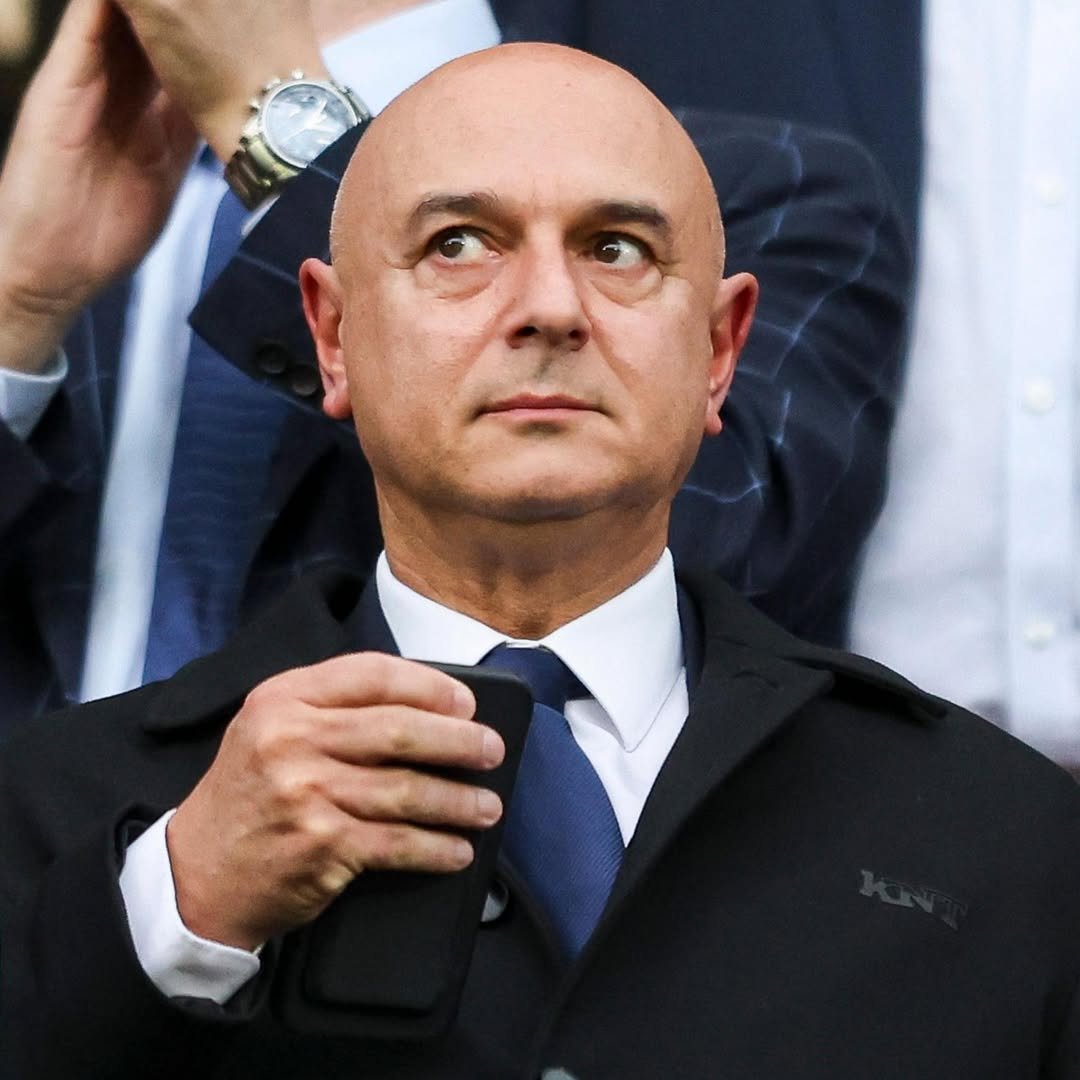
Daniel Levy controlled Tottenham for 8,760 days but needed just one statement to end it all. The 63-year-old chairman stepped down after 24 years, leaving behind a £1 billion stadium legacy. His departure shocked football as the Premier League’s longest-serving chairman walked away from his £650 million empire. But why did the man who transformed Spurs into a global powerhouse suddenly quit?
Levy’s Shocking Departure
Daniel Levy officially resigned as Tottenham’s executive chairman on 3rd September 2025, ending his remarkable 24-year tenure. The announcement came without warning, stunning football followers who expected him to continue indefinitely. His departure follows months of boardroom restructuring and the recent Europa League triumph.
Peter Charrington immediately replaced Levy as non-executive chairman, marking a new era at Tottenham. The ownership structure remains unchanged with ENIC retaining control of the North London club. Levy’s resignation statement emphasised pride in transforming Tottenham into a “global heavyweight competing at the highest level.”
The timing coincides with Tottenham’s recent trophy success, having ended their 17-year drought with Europa League victory. Daniel Levy leaves behind a modernised club worth over £2.6 billion according to Forbes valuations.
End of Premier League’s Longest Chairmanship
Daniel Levy’s departure closes the longest chairmanship in Premier League history, spanning nearly a quarter-century. His tenure witnessed Tottenham’s transformation from mid-table mediocrity into consistent European competitors. The chairman oversaw 18 European campaigns in the past 20 seasons under his stewardship.
His legacy includes the £1 billion Tottenham Hotspur Stadium, widely regarded as world football’s finest venue. Daniel Levy revolutionised stadium economics by creating a multi-purpose entertainment destination hosting NFL games and concerts. This innovation generated diverse revenue streams beyond traditional matchday income.
The chairman’s business acumen elevated Tottenham’s global profile exponentially during his reign. Forbes estimates place current club valuation at £2.6 billion, representing astronomical growth from his 2001 arrival. Daniel Levy’s commercial expertise attracted lucrative sponsorship deals and broadcasting partnerships throughout his tenure.
His departure represents the end of an era characterised by financial prudence and infrastructural investment. Critics argued this approach prioritised profits over trophies, creating tension with supporters seeking silverware. Nevertheless, his business legacy remains undeniable across modern football.
From Clothing Business to Football Empire
Daniel Levy began his professional career in the family clothing business before discovering his passion for sports ownership. His partnership with billionaire Joe Lewis through ENIC International provided the platform for football investment. The duo acquired controlling interests in multiple European clubs during the late 1990s.
Tottenham represented their most ambitious project when ENIC secured control in February 2001. Daniel Levy assumed the chairman role aged just 38, becoming the youngest Premier League chairman. His legal background proved invaluable in navigating complex transfer negotiations and commercial agreements.
Did You Know?
Daniel Levy once turned down a £400 million bid for Tottenham from Alisher Usmanov, believing the club’s potential warranted higher valuations!
Early years focused on establishing financial stability whilst gradually improving playing squad quality. Daniel Levy’s shrewd transfer dealings generated substantial profits through player sales. His negotiation skills earned respect throughout football despite occasional frustration from supporters.
The stadium project represented his masterpiece, requiring exceptional vision and financial planning. Daniel Levy personally oversaw every aspect of the development process from initial conception to final delivery. The project’s completion validated his long-term strategic thinking and business expertise.
Jewish Heritage and Community Connection
Daniel Levy’s Jewish faith significantly influenced his approach to football stewardship and community engagement. His appointment marked important representation within English football’s traditionally limited diversity. The chairman consistently emphasised Tottenham’s strong Jewish supporter base and cultural heritage.
Born in Essex to a Jewish family, Daniel Levy understood the club’s deep community connections from childhood. His personal background resonated with Tottenham’s historically Jewish fanbase in North London. This cultural understanding shaped his decision-making throughout his controversial yet successful tenure.
His marriage to Tracy Dixon, a former personal assistant, demonstrates his preference for privacy over publicity. The couple raised four children whilst Daniel Levy balanced demanding professional responsibilities. Family considerations potentially influenced his recent departure decision after decades of intensive commitment.
The chairman maintained strong ties to Jewish community organisations throughout his career. His success provided inspiration for minority representation in football’s executive positions. Daniel Levy’s legacy extends beyond Tottenham into broader cultural significance within British Jewish communities.
Revolutionary Business Model and Strategic Vision
Former Arsenal executive David Dein praised Daniel Levy as “one of football’s shrewdest businessmen” following his departure announcement. Industry analysts consistently highlighted his innovative revenue generation and cost management strategies. His approach influenced modern football’s commercial evolution significantly.
Statistical Analysis: Daniel Levy increased Tottenham’s annual revenue from £47 million in 2001 to over £500 million by 2025 – representing 965% growth during his chairmanship.
Manchester City’s Ferran Soriano described Daniel Levy’s stadium project as “revolutionary for football economics” during recent industry conferences. The multi-purpose venue concept attracted global attention from sporting organisations seeking similar innovations. His vision demonstrated how traditional football grounds could evolve into year-round entertainment destinations.
Transfer market expertise defined his reputation among football executives worldwide. Daniel Levy’s negotiation tactics frustrated clubs seeking Tottenham players whilst maximising sale valuations. His ability to extract premium fees became legendary throughout European football circles.
Critics argued his business-first approach sometimes compromised sporting ambition and squad investment. Nevertheless, financial experts praised his sustainable model during periods of reckless spending elsewhere. Daniel Levy’s prudent management ensured Tottenham’s long-term viability whilst maintaining competitiveness.
Transforming North London’s Sporting Landscape
Daniel Levy’s stadium development revitalised Tottenham’s surrounding area through massive regeneration investment. The project created thousands of jobs whilst attracting businesses to previously neglected North London districts. Local communities benefited from improved infrastructure and economic opportunities.
Did You Know?
Daniel Levy’s stadium project included 585 affordable homes for local residents, demonstrating commitment to community development beyond football!
His youth academy investments produced numerous England internationals including Harry Kane and Dele Alli. Daniel Levy prioritised developing homegrown talent whilst maintaining strong community connections. The approach created local heroes who represented both club and area with distinction.
Educational partnerships with local schools provided opportunities for disadvantaged children throughout his tenure. Daniel Levy understood football’s social responsibility within diverse communities. His initiatives extended beyond sport into meaningful community engagement and development programmes.
The chairman’s departure represents significant change for local stakeholders dependent on Tottenham’s continued success. His replacement faces challenges maintaining community relationships whilst pursuing sporting objectives. Daniel Levy’s legacy includes strengthened bonds between club and surrounding communities.
New Leadership and Investment Possibilities
Peter Charrington’s appointment as non-executive chairman signals potential changes in Tottenham’s operational approach. Sources suggest discussions with external investors regarding fresh capital injection or potential ownership changes. Daniel Levy’s departure removes the biggest obstacle to structural modifications.
The new leadership structure emphasises sporting success over purely financial considerations according to insider reports. CEO Vinai Venkatesham brings Arsenal experience in balancing commercial success with trophy ambitions. This combination could address long-standing supporter frustrations about trophy priorities.
Statistical Context: Daniel Levy delivered 2 major trophies in 24 years compared to 5 trophies in the previous 24 years before his arrival.
Potential investment opportunities become more attractive without Daniel Levy’s controlling influence over decision-making processes. His perfectionist approach sometimes delayed strategic initiatives requiring external partnerships. Future ownership changes remain possible despite current structural stability.
The timing suggests optimism about Tottenham’s prospects following recent Europa League success. Daniel Levy’s departure creates opportunities for ambitious investors seeking involvement with established Premier League clubs. His legacy provides strong foundations for continued growth and development.
FAQ Section
Q: Why did Daniel Levy step down from Tottenham after 24 years?
A: Official reasons weren’t disclosed, but sources suggest boardroom restructuring focused on sporting success over financial priorities influenced his decision.
Q: What is Daniel Levy’s net worth in 2025?
A: Conservative estimates place his net worth at £650 million, primarily through his ENIC shareholding and Tottenham’s increased valuation.
Q: Will Daniel Levy sell his Tottenham shares completely?
A: No immediate plans exist for share disposal. He retains his ENIC stake whilst stepping away from executive responsibilities.
Q: Who replaces Daniel Levy as Tottenham chairman?
A: Peter Charrington assumes the newly-created non-executive chairman role, working alongside CEO Vinai Venkatesham for operational leadership.
Q: What was Daniel Levy’s biggest achievement at Tottenham?
A: The £1 billion stadium project represents his masterpiece, creating a world-class venue that revolutionised football stadium economics globally.
Read More: Jordan Rhodes: From Goal Machine to Mentor – The Striker Who Conquered English Football
